
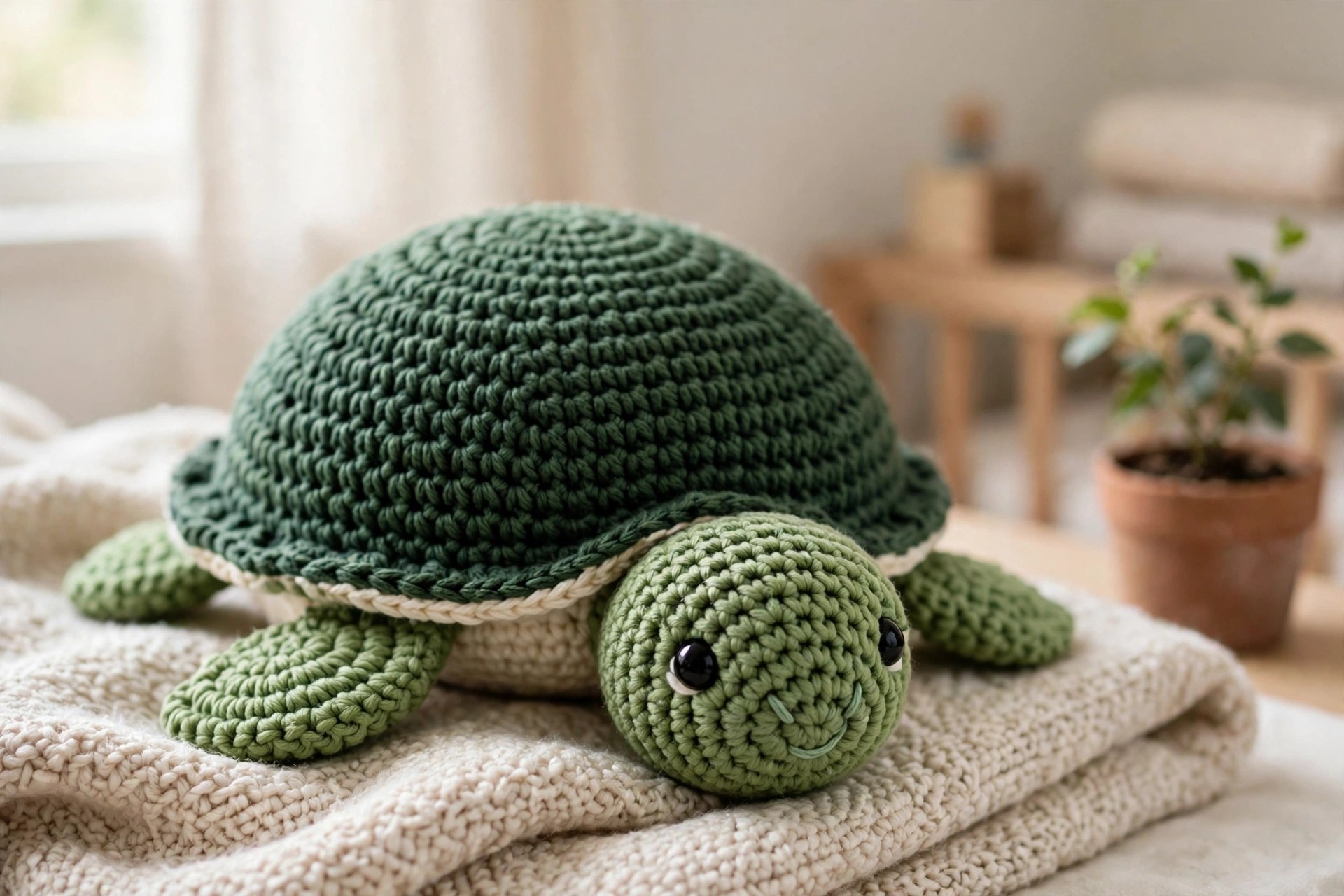
Ask a room of crochet sellers how they set their prices and you will hear the same story: “I added up the yarn, added a bit on top, and hoped it sounded reasonable.” Then the item sells, the maker does a quiet happy dance — and later realizes the “profit” worked out to about a dollar an hour. If that has happened to you, you are not bad at business. You are just missing a formula.
Pricing is the least glamorous part of selling crochet, and it decides whether your shop is a business or an expensive hobby. We think about this a lot in our own shop, where we sell crochet patterns — and the lessons apply to finished items just as much. Here is the simple math, the honest way to count your time, and what Etsy actually takes, in plain words.
Why Most Makers Underprice Their Work
Underpricing usually comes from one of these honest places:
- The hobby mindset: because crochet is relaxing, the hours feel “free” — as if time spent doing something you enjoy should not count. It counts.
- Comparing with factory prices: a machine-made plush is not your competition. You cannot match factory prices, and you do not need to — buyers choose handmade shops precisely because the item is not factory-made.
- Fear of the number: a higher price feels risky, so we lower it “just to get the sale.” But a price that leaves you resentful ends your shop within a year.
- Forgetting the invisible costs: fees, packaging, the listing itself, the half-used skein. Small costs stack up.
The fix is not copying another shop’s prices. It is writing your real costs down once, and letting the arithmetic do the brave part.
The Simple Pricing Formula
Almost every workable crochet price is built from four blocks:
Materials + Your Time + Fees + Profit = Price
Here is a clearly labelled example — the numbers are illustrations, not anyone’s real results. Say a small plush takes you 3 hours to crochet, stuff and finish, and the yarn, stuffing, safety eyes and packaging come to $6. You decide your time is worth $12 an hour — a modest rate for skilled handwork — which gives you $36 for your time. Your real cost so far: $6 + $36 = $42, before fees. Add room for Etsy’s fees (below) and a genuine profit margin of roughly 15–20% on top, and you land somewhere around $50. That can feel big next to the $20 you might have guessed — but at $20, the same plush pays you under $4 an hour before fees. The formula is not making you expensive. It is making you honest.
One habit makes the formula painless: keep a notebook entry for every product with its materials cost and making time, and re-check it yearly as yarn prices change.
How to Count Your Time Honestly
Your time is the biggest cost and the easiest to lie about. A few ground rules keep it real:
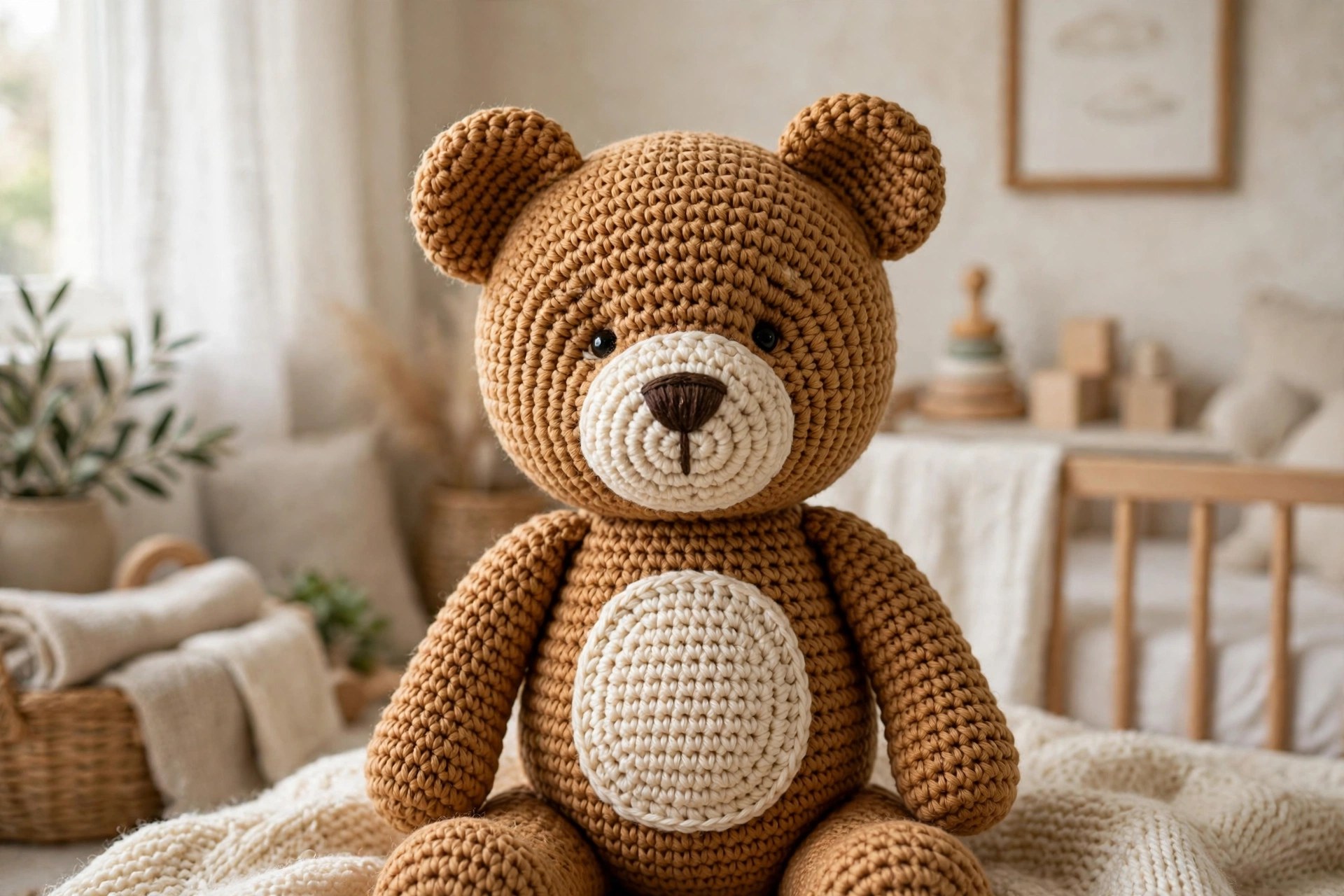
- Time the whole job, not just the fun part. Sewing pieces together, stuffing, embroidering the face, weaving in ends — it all goes on the clock. Time yourself on two or three makes and use the average.
- Count finishing and admin, lightly. Photographing, listing, packaging and posting are real work too. You do not need stopwatch precision — a fair allowance, such as 15–20 minutes per order, is enough.
- Pick an hourly rate and write it down. It does not have to match anyone else’s. Many new sellers start modest and raise it as speed and reviews grow — what matters is that the rate exists and is in the formula.
- Let speed reward you. As you get faster, keep the price steady and enjoy the better hourly rate, rather than racing your own prices down.
If you are still deciding whether selling is right for you, our guide on how to sell your crochet on Etsy covers the honest pros, cons and first steps.
Etsy Fees, Explained in Plain Words
Fees are the part of pricing nobody enjoys, so here they are simply. Expect roughly these layers (check Etsy’s own fee page for current figures before relying on any number, since fees can change):
- Listing fee: $0.20 per listing. It lasts four months, and for a digital item it renews each time a copy sells. Small, but real — it belongs in your math.
- Transaction fee: a percentage of the total the buyer pays, including the shipping you charge. Think of it as Etsy’s commission for the sale.
- Payment processing fee: a further percentage, plus a small fixed amount per order, for handling the buyer’s card payment through Etsy Payments.
- Occasional extras: in some countries a small regulatory fee applies, and a sale arriving through Etsy’s off-site advertising can carry an advertising fee. Not every sale has these — but your margin should absorb them.
The takeaway: fees together take a noticeable slice of every order — roughly a tenth or more once everything is counted — so a price built only from yarn plus a little extra is underwater before you start. That is why the formula adds fees and profit on top of real costs, not instead of them.
Finished Items vs Patterns: Two Different Kinds of Pricing
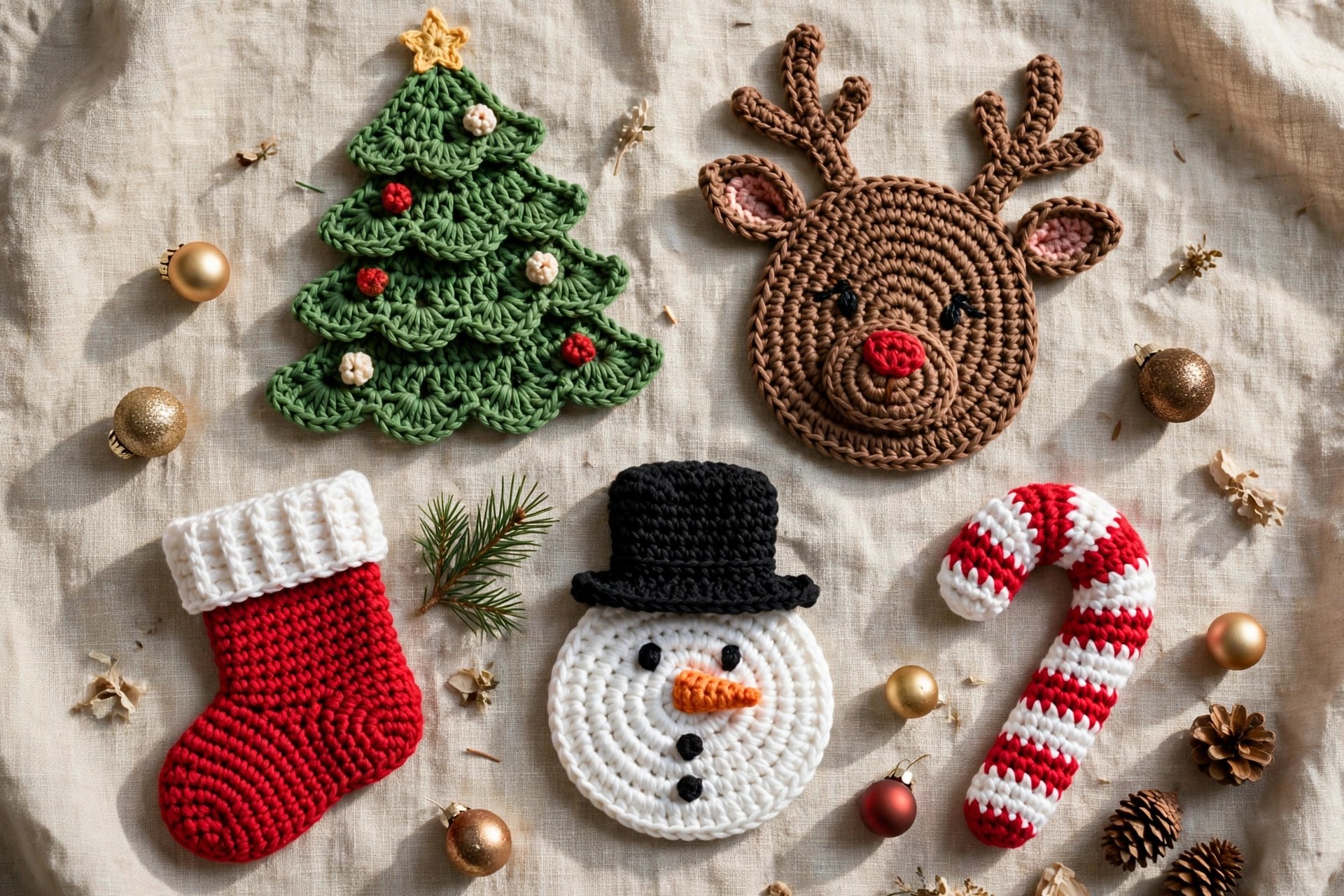
A finished plush and a PDF pattern may start as the same design, but they are priced by completely different logic. A finished item carries your hours inside every sale — make it again, and you pay the time again. Its price has to respect the formula in full, which is why fairly priced handmade pieces cost what they cost.
A digital pattern flips the model: you do the designing, testing, photographing and writing once, and the same file can then sell many times with no new materials and no new making hours. That is the honest reason patterns can be priced lower per sale and still be worthwhile — the work is front-loaded instead of repeated. It is the model behind our own shop: patterns let small makers sell the same careful work again and again, alongside finished pieces.
When Sales and Discounts Actually Make Sense
Discounts are a tool, not a personality. They make sense in a few clear situations: launching something new, seasonal moments when shoppers are already looking (a Christmas pattern in November, for instance), clearing the way for an updated version, or rewarding returning customers. What they should never do is rescue a price that was too low to begin with. If the “sale” price is the only price at which your item sells, then that is your real price — set it properly, with the formula, and let genuine discounts sit on top.
Raising Your Prices as Your Reviews Grow

Here is the part new sellers rarely believe: you are allowed to charge more later. A new shop with no reviews is asking buyers to take a chance, and a gentle starting price can be a fair trade for those first sales and reviews. But every kind review, better photo and repeat customer is evidence your work is worth more — and prices can rise to match, a little at a time. Many makers review prices once or twice a year and nudge up the pieces that sell steadily. If a small rise slows a listing down, you have learned something cheaply; if sales continue — as they often do — you have simply stopped leaving money on the table. Pair sensible prices with steadily improving photos (our roundup of our favorite crochet patterns, nursery prints and clipart shows the presentation we aim for).
Quick Questions
What hourly rate should I charge for my crochet time?
There is no official number. Many sellers start with a modest rate they can say out loud without flinching, then raise it as speed and reviews improve. The only wrong rate is zero — pricing your time at nothing guarantees burnout.
Why does my plush cost more than a similar one in a big store?
Because a factory makes thousands at once with machines, and you make one at a time with your hands. That difference is what handmade buyers are paying for — explain it warmly in your listing rather than apologizing for the price.
Should I include Etsy fees in my price or charge them on top?
Build them into the price. Fees are simply one of your costs of selling, like yarn — the formula above treats them that way.
Is it better to sell finished items or patterns?
They suit different makers. Finished items earn more per sale but cost fresh hours every time; patterns earn less per sale but can sell repeatedly from work done once. Many sellers find the two together steadier than either alone.
Final Thoughts
Fair pricing is not about squeezing buyers; it is about making sure your shop can still exist next year. Write down your materials, time your makes honestly, leave room for fees and a real profit, and let prices grow with your reviews. Do that, and every sale becomes a reason to keep crocheting, not a slow way to quit. And if you would rather start by making than by maths tonight, our patterns are ready when you are.
You May Also Like
Ready to put your prices into practice? Start with How to Sell Your Crochet on Etsy, get inspired by 9 Crochet Gifts You Can Make and Sell, or browse Our Favorite Crochet Patterns, Nursery Prints & Clipart.

